
15+ multimedia kiosks
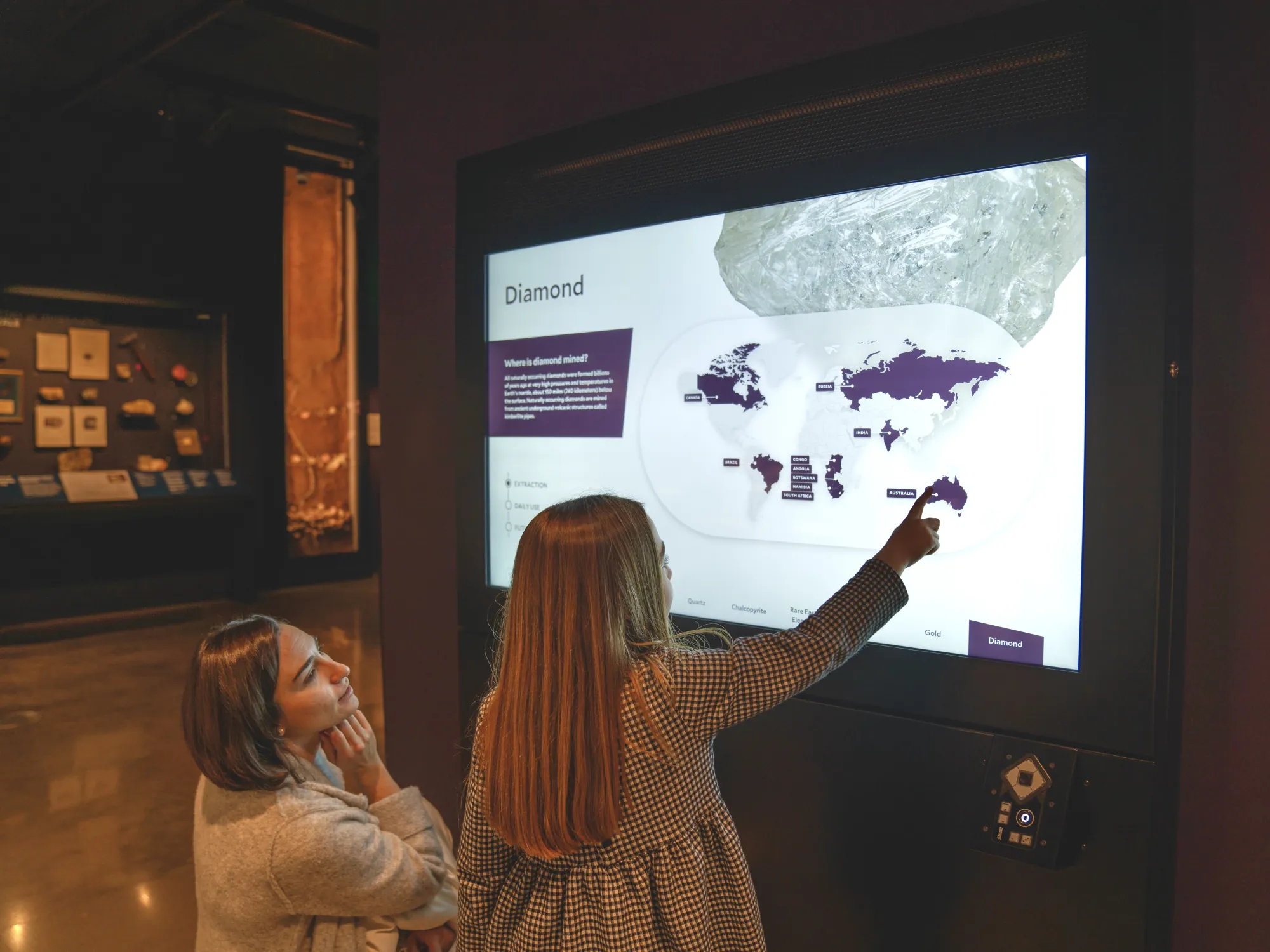
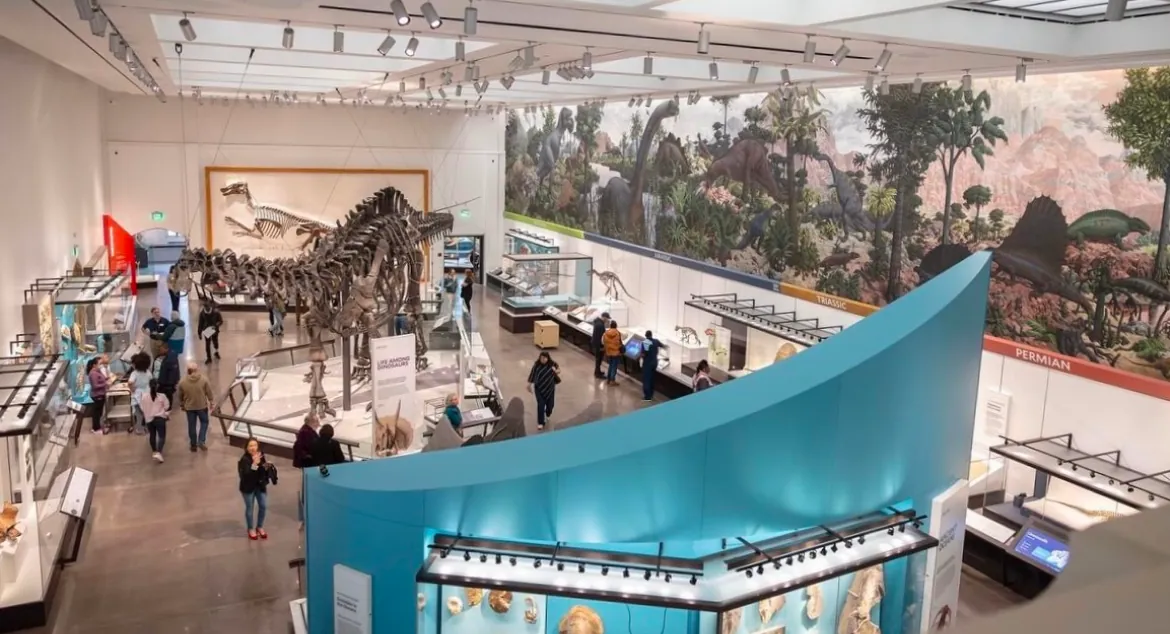
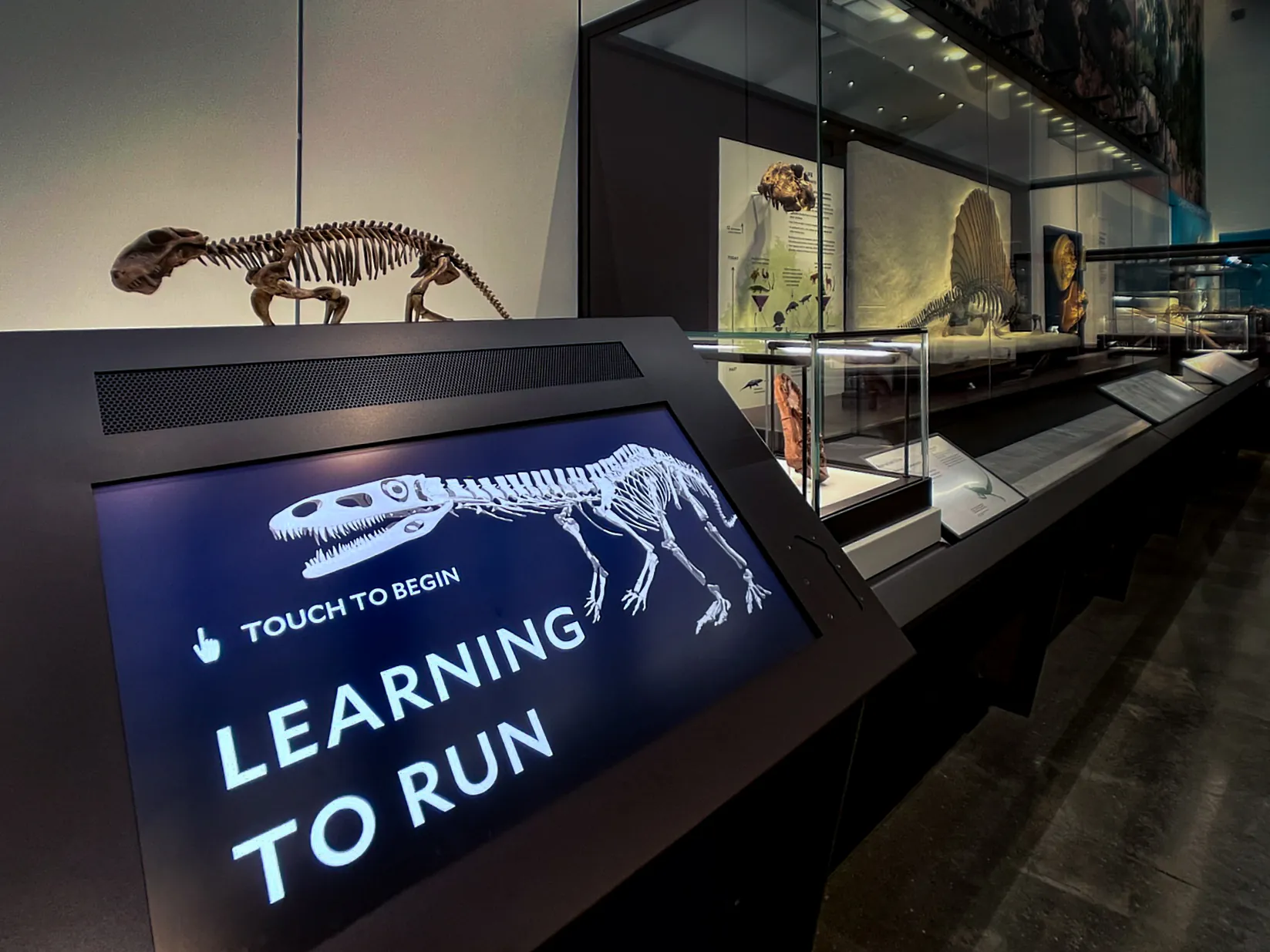
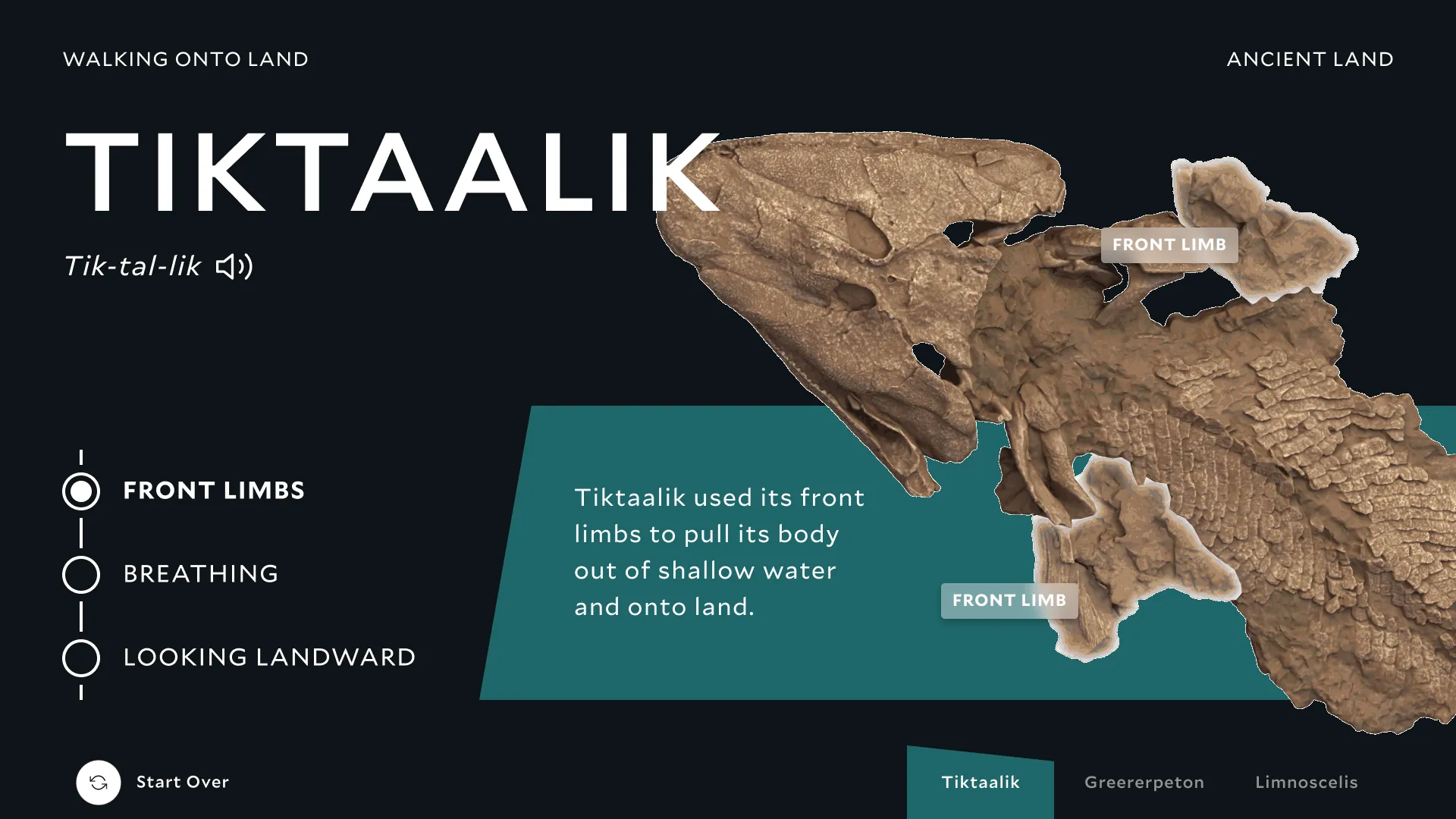
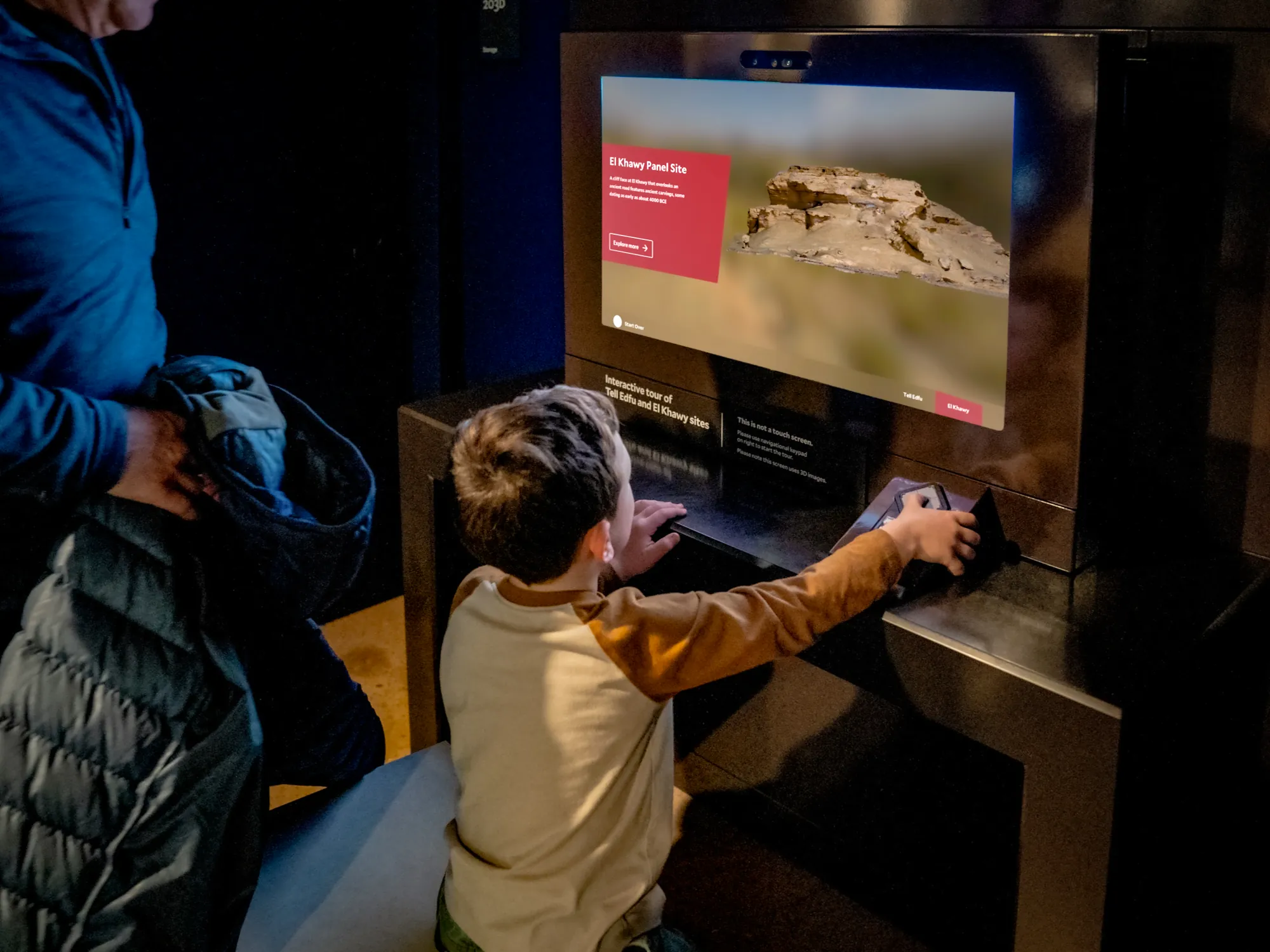
The reopening of the Yale Peabody Museum called for a new suite of interactive multimedia to complement the gallery collections. As Lead UX Designer, I led the design of more than 15 interactive touchscreen kiosks distributed across nine galleries.
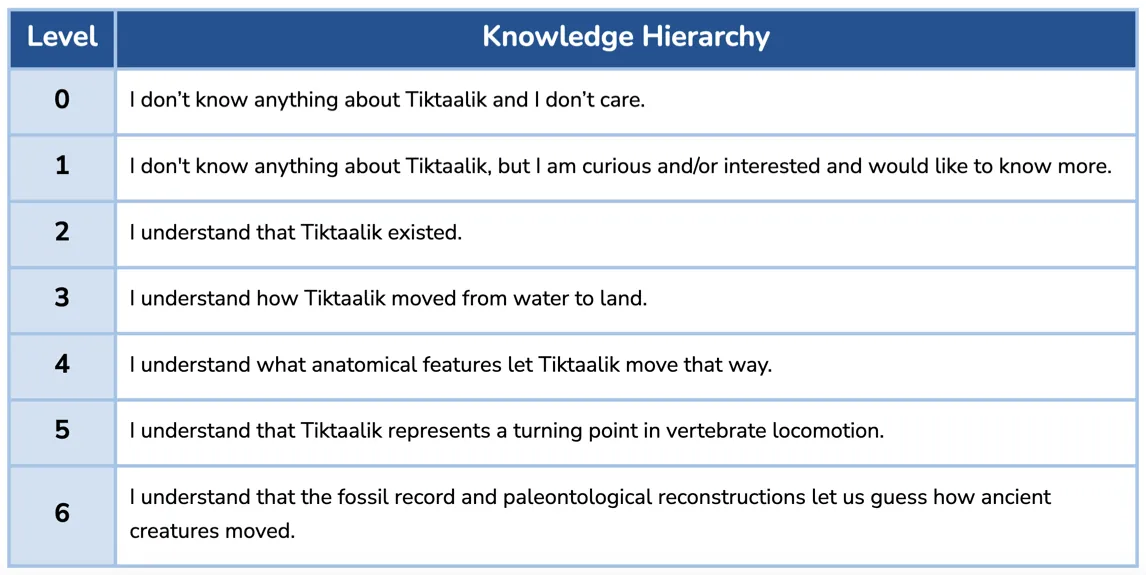
Over two years, I worked closely with gallery teams and subject matter experts to translate cutting-edge research and vast collections into meaningful, accessible narrative experiences. Some days were spent discussing the intricacies of hieroglyphic symbology with researchers working on the ground in Egypt; other days involved digging into how C4 photosynthesis allows grasses to survive repeated cycles of grazing and wildfire. Untangling topics of this scale and complexity into short, durable interactive experiences required multiple cycles of defining learning goals, developing content structures, and validating decisions through user research.
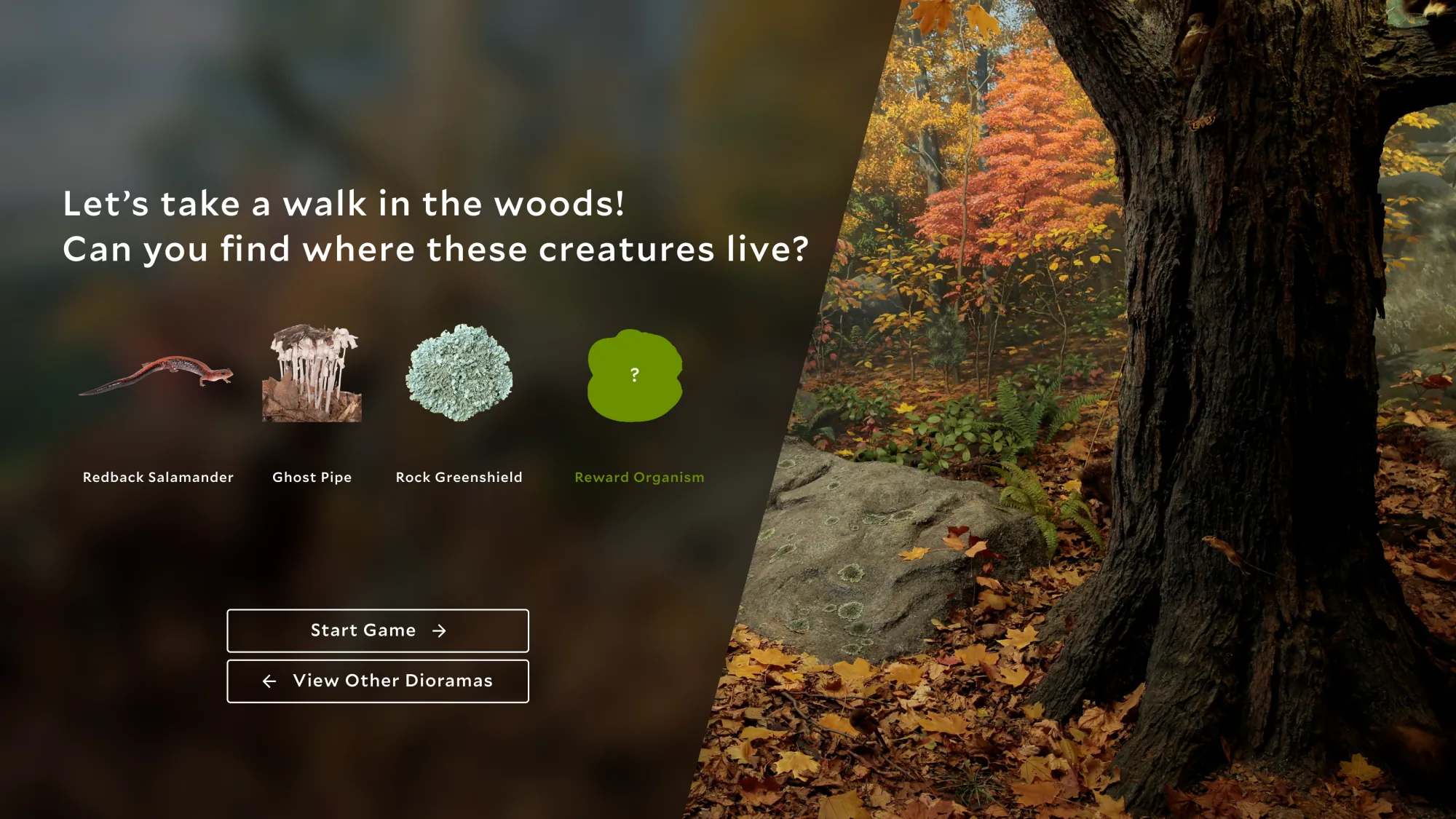
Because this work was part of a large-scale renovation and gallery redesign, the kiosks needed to integrate seamlessly into the broader visual language of the museum while also functioning as a coherent system. In collaboration with the development team, I designed a robust design system that reduced technical bloat while remaining flexible enough to support the distinct narrative needs of each gallery.
Accessibility was treated as core infrastructure rather than an optional feature. I worked closely with accessibility experts to design a custom keypad navigation system and audio description layer for all 15 kiosks. In such a media-rich environment, image description was especially critical, so I trained museum staff to write high-quality descriptions and implement them through a content management system. This approach not only ensured consistency at launch, but also provided the museum with tools to continue updating and expanding accessibility features long after the project concluded.